Salih Albarrak is a designer based in Riyadh, he has a profound interest in the overlap between storytelling, alchemy, and design. This journey has allowed him to construct a fabric of works and techniques, effectively capturing the essence of speculative social and political structures that reside on the fringes of reality.
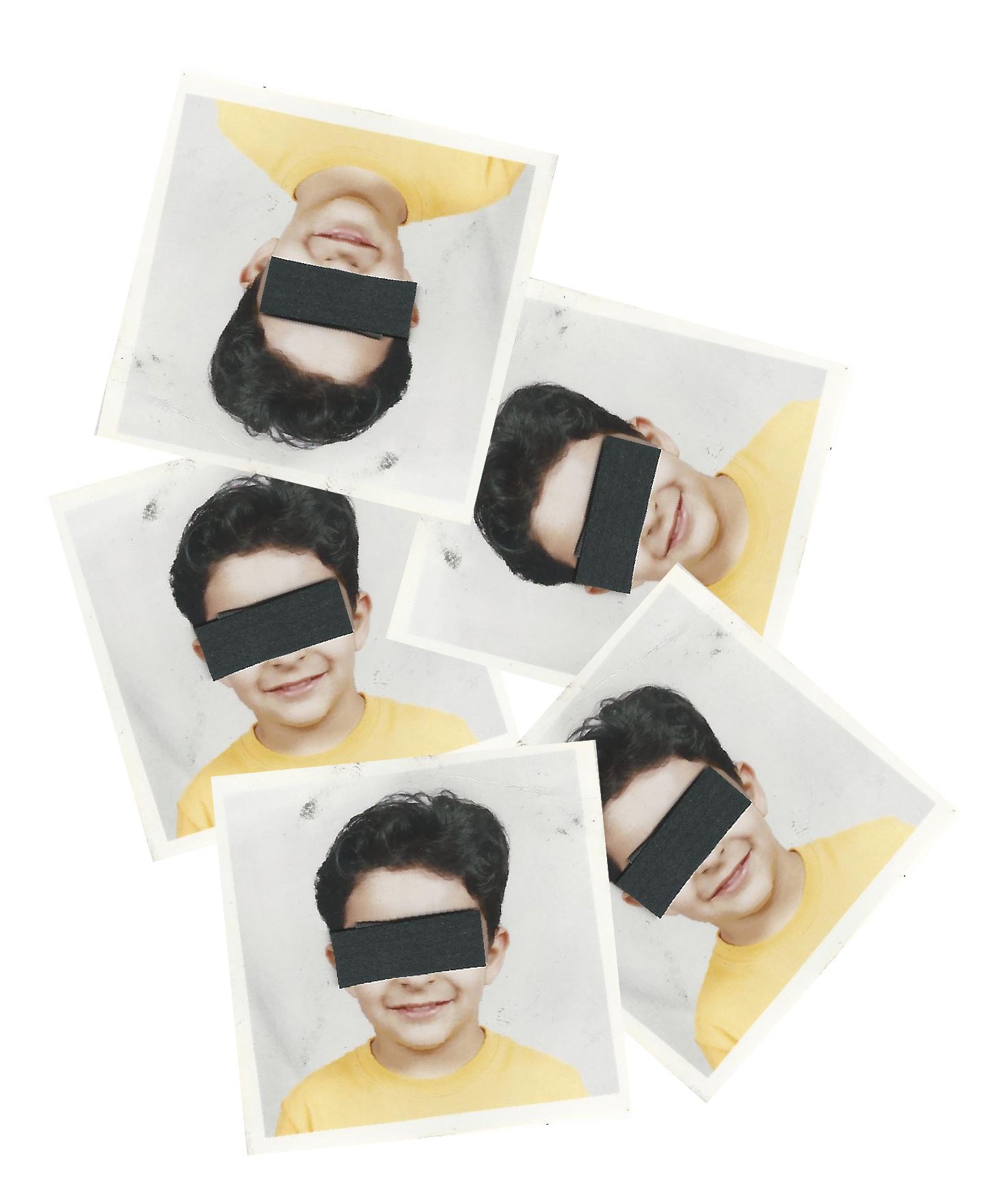 Salih Albarrak is an architect/artist based in Riyadh, he has a profound interest in the overlap between storytelling, alchemy, and design. This journey has allowed him to construct a fabric of works and techniques, effectively capturing the essence of speculative social and political structures that reside on the fringes of reality.
 CARMONA (2024)
material + object![]()

In the heart of Mexico, amidst the sun-soaked fields, a tale of ancestral ties and fading traditions begins. In a small village, a woman named Carmona finds her way of life slipping away as her ancestral farm faces threats of extinction. Her livelihood, once sustained by the gentle rhythms of the land, now hangs in precarious balance as the practice of harvesting cochineal insects for their prized red pigment, carminic acid, comes under scrutiny.
Across the globe, voices rise in protest against this ancient tradition, decrying its perceived inhumanity and violence. Organizations like PETA champion the cause, advocating for the rights of all living beings. And yet, amidst the clamor of voices, the echoes of the past persist, intertwining with the present in a bruised tapestry of heritage and identity.
In this backdrop of cultural upheaval, we embark on a journey to explore the tangled web of ancestral practices and modern dilemmas. They begin with the humble agar, derived from algae, the very essence of life itself. Infused with the crimson hue of carminic acid, the agar becomes a canvas upon which the stories of generations past are painted. From the Aztecs to the ancients Egyptians.
As the bioplastics formed from this ancestral mixture harden, they take on a seductive allure, fetish like and conceptually glossy; reminiscent of the eponymous Carmen from the famed opera. Yet, beneath their beguiling surface lies a deeper truth – a truth obscured by layers of plastic and deception.
For these forms, once encased in plastic, begin a slow descent into decay. While the plastic remains unyielding, trapping the living essence within its suffocating embrace, the contents within begin to wither and rot. Like bruises blossoming on the skin, they bear witness to the pain and suffering, the loss and bruising, endured by both Carmona and her ancestral kin.
In their struggle for survival, these living objects become symbols of resilience, embodying the indomitable spirit of those who came before. They are ornaments of pain and perseverance, testaments to the enduring legacy of a people bound by ties of blood and tradition.
And so, as the sun sets on another day in Mexico, the echoes of the past mingle with the whispers of the future, weaving a tapestry of hope and despair, of love and loss, of wounds and bruises.


 z
z